

What is Kappo? A Guide to Japanese Kappo-Style Dining
A quiet introduction to the style of cooking behind Roketsu.
What Does Kappo Mean?
Kappo (割烹) combines two Japanese characters: 割, meaning to cut, and 烹, meaning to cook. Together, they describe a style of Japanese cooking centred on the counter, where both preparation and cooking happen in full view of the guest.
Is Kappo Just “Japanese Food”?
Visitors to London often assume “Japanese food” means sushi, ramen, or izakaya-style small plates – and while kappo can include all of these, it isn’t a dish or a cuisine type. It’s a style of dining, built around the counter itself. The distinction is less about what’s on the plate, and more about how it reaches you: prepared, cooked, and served directly in front of the guest, often with the chef explaining or discussing each dish as it’s made.
For first-time visitors, this makes kappo a different kind of experience from a typical sushi counter or set tasting menu – closer to watching a meal come together than simply having it arrive.
How Kappo Differs from Kaiseki
Kaiseki is typically served as a formal, multi-course meal in a fixed sequence, often in a private room. Kappo takes a different approach. Dishes are prepared and served directly at the counter, with more flexibility in pace and order – the chef and guest interact directly throughout the meal, rather than following a set script.
Kappo-Style Dining at Roketsu
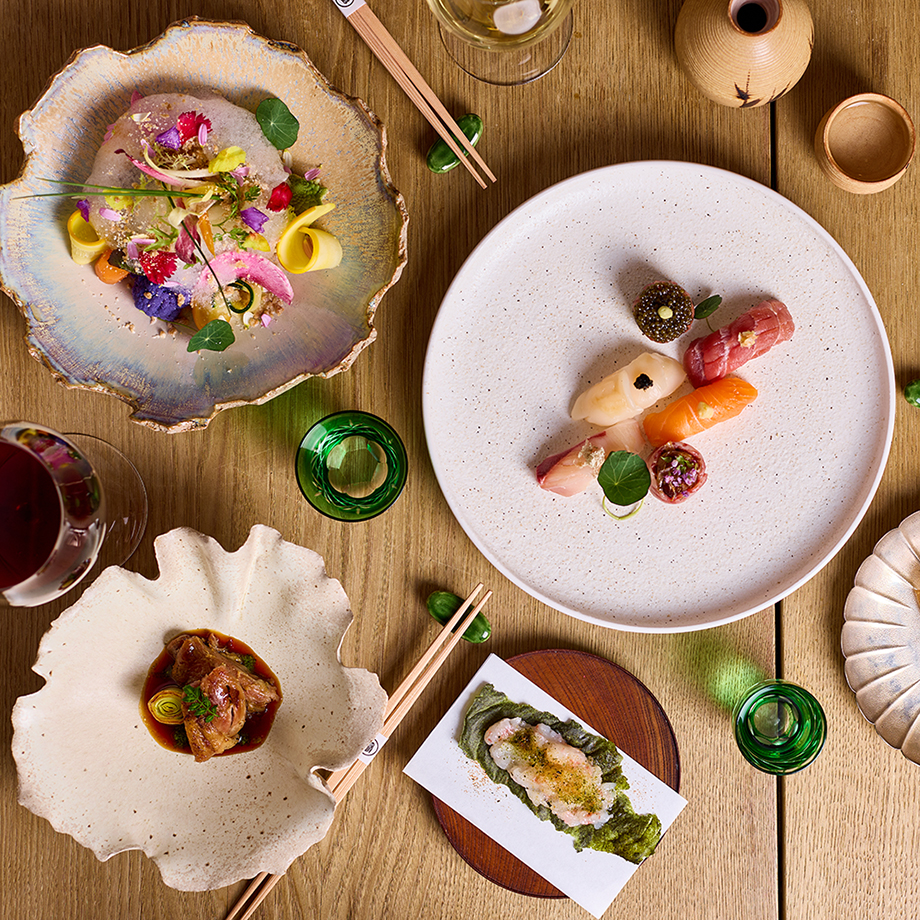
At Roketsu in Marylebone, London, kappo shapes the way each meal comes together – for lunch or dinner, at the counter or at a table, whether following a tasting menu or choosing freely from the à la carte selection. Dishes are prepared with the same care and attention throughout, each one finding its own pace.
Curious to experience it for yourself? See our menus or reserve a table.